


Animal Books for 2nd Graders
We believe every child deserves access to quality reading materials that nurture a lifelong love of learning. Explore animal children’s books designed for 2nd graders ages 6-7. These engaging picture books feature beloved pets, wild animals, and fascinating creatures that connect young readers to nature while building essential reading skills.

In the Deep
Anika wants to explore the sea, but she’s a little scared. With encouragement from her mum, she takes a deep breath and ducks her head underwater. What begins as a nervous first try soon becomes an incredible adventure! She discovers floating algae, a baby turtle, and even a flying fish. When she finds a colorful reef full of amazing creatures, Anika can hardly believe her eyes. What other surprises are waiting for her in the deep?

He Can Draw
Paul loves to draw! Every day after school, he creates amazing pictures in his big art books. Today, he starts with three circles - one big and two small. Then he adds a box shape, some legs, and a big smile. What could he be drawing? Follow along as Paul builds his mystery picture shape by shape. Can you guess what it will be before he finishes?

Sad Tune
A lonely girl sits by her window playing the saddest song on her flute. Her tears turn into musical notes that float away on the breeze, becoming raindrops that fall across the meadow below. The animals in the field hear her sorrowful tune and wonder who could be so unhappy. A curious rabbit sets off to discover the source of the heartbreaking melody. Will the creatures of the field be able to help the sad girl feel better?

The Dog Got Out!
When Mum leaves for work, one clever dog decides his day is just beginning! Instead of staying bored in his kennel, he leaps over the fence to explore the neighborhood. He visits his pals next door, investigates mysterious sounds, and even shows off his singing skills. But what happens when he hears Mum’s car coming down the street? Will he make it home in time, or will his secret adventures be discovered?

There Are Ants!
Have you ever wondered what ants do all day? Follow along as curious ants search your home looking for food! They explore cupboards, sniff out sweet treats, and discover unexpected treasures. But will they find enough to bring back to their colony? Join this adventure to see where these tiny explorers go next!
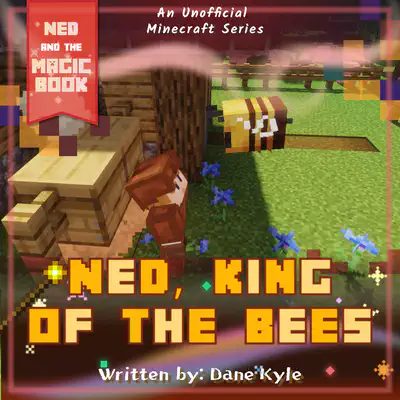
Ned, King of the Bees
Ned discovers a bee and becomes curious about where it lives. Following the bee to a hidden hive in a tree, Ned learns that bees make delicious honey. But how can Ned get the honey without making the bees angry? Join Ned on an exciting adventure to uncover the secrets of the hive and discover what it means to be a good neighbor to nature.

Flower Hunt
Beth the little bird is on a special mission to find the perfect flower for her mother’s beautiful nest. Along the way, she meets ladybugs, butterflies, fuzzy bugs, bees, spiders, and fireflies—each with their own ideas about which flower is best. What makes a flower perfect for a nest? Join Beth as she discovers the answer through her garden adventure!
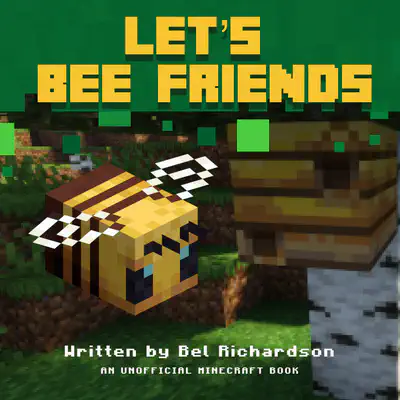
Let's Bee Friends
Zom the zombie is tired of hanging out with other zombies. When he discovers a bustling beehive full of busy bees, he’s thrilled! But things don’t go as planned when he gets too curious. Will Zom find a way to become friends with the bees, or will they keep their distance?
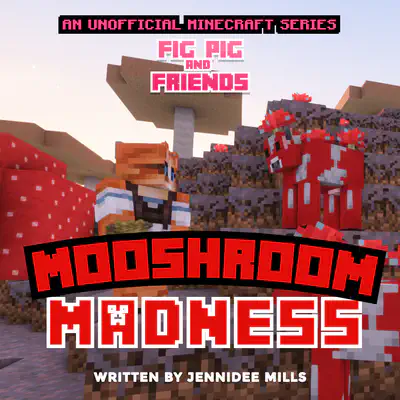
Mooshroom Madness
Fig Pig has discovered something amazing—odd cows unlike any he’s ever seen before! When he tells his friend Brat Cat about them, she just has to see these strange creatures for herself. Brat Cat finds a whole mob of these unusual cows and even spots an adorable calf. She wants to help take care of them, but how will she make sure they have enough food? Will Brat Cat’s plan work before the sun goes down?
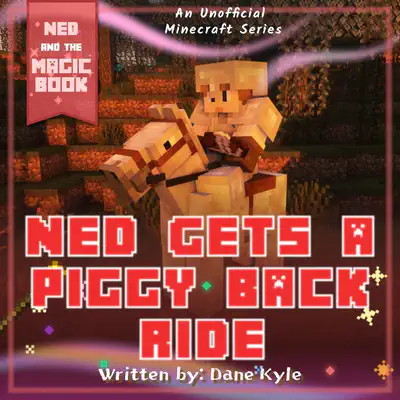
Ned Gets a Piggyback Ride
Ned is riding his horse Milky through a mysterious swamp when night falls. After battling strange slimes and finding an unexpected new friend, Ned returns home with a wild idea: can he ride a pig like a horse? Join Ned as he discovers that sometimes the best adventures come from the most surprising friends!
Frequently Asked Questions
How do animal books expand vocabulary for 2nd graders?
Animal books for 2nd graders naturally introduce domain-specific vocabulary such as habitat names, species terms, and behavioral descriptions, which Snow, Burns, and Griffin (1998) identify as essential for building the background knowledge that supports reading comprehension. When second graders encounter words like ’nocturnal’ or ‘migration’ in context, they practise decoding multi-syllable words, a key skill at this stage. On Bookbot, animal picture books for second grade are available on the website, with many titles free to read for flexible learning.
Are animal stories good for building reading stamina in 2nd graders?
Animal stories for 6 year olds are excellent for building reading stamina because children’s genuine curiosity about creatures keeps them engaged for longer stretches, which is exactly the kind of sustained practice that Stanovich (1986) links to accelerated reading growth. At the 2nd-grade level, children are consolidating digraphs, vowel teams, and r-controlled vowels, and high-interest animal content gives them a meaningful reason to work through these patterns. Bookbot’s animal books for 2nd grade readers follow a structured phonics scope and sequence so reading stamina grows alongside decoding skills.
Can animal books for 2nd graders blend fiction and nonfiction reading?
Animal picture books for second grade on Bookbot include both fictional narratives with animal characters and stories grounded in real animal facts, reflecting what NCTE describes as the important role of nonfiction in developing well-rounded readers. Fictional animal stories for 6 year olds build narrative comprehension, while fact-based texts strengthen informational reading skills. Both types are available on the Bookbot website, with many titles free to read, giving families a variety of ways to explore the world of reading.
What reading level should animal books for 2nd graders be?
Animal books for 2nd graders should be at a level where the child can decode roughly 95 percent of the words independently while still meeting a few new challenges, a principle supported by Ehri et al. (2001) in their research on systematic phonics instruction. Second graders are typically working with vowel teams, digraphs, and multi-syllable words, so the text should feature these patterns in engaging animal contexts. Bookbot’s animal books for 2nd grade readers are organized by phonics level, making it simple for parents to choose the right match.