


Nonfiction Books for 2nd Graders
Every child deserves stories that spark curiosity and build a foundation for lifelong learning. Explore nonfiction children’s books perfect for 2nd graders ages 6-7. These informative picture books feature real-world facts, true stories, and fascinating discoveries that satisfy curious minds while building essential reading skills.

Not the Same
Both of these animals are bugs, but they are not the same kind of insect. They both use their main legs for crawling along branches while they use their other legs to grab at things that they want to eat. The two bug pals are quite short.

Birds
Discover the amazing world of birds! From long-legged waders to wise night hunters, from colorful dancers to clever talkers, each bird has special skills and secrets. What do these feathered friends eat? How do they find mates? What sounds do they make? Hop into this book and meet birds of all kinds!
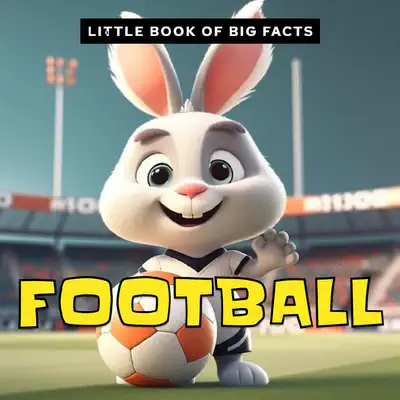
Little Book of Big Facts Football
A curious friend learns all about the exciting sport of football! Discover what makes this game so special, from the round ball to the 11 players on each team. Did you know football is played all around the world by millions of people? Find out the amazing facts that make football the game everyone loves!
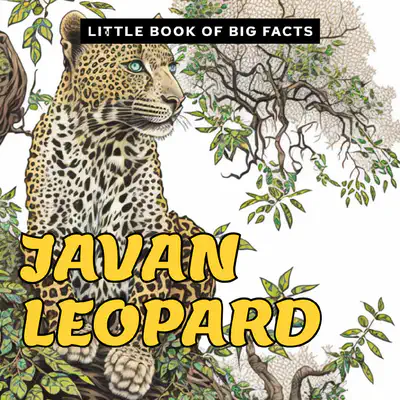
Little Book of Big Facts: Javan Leopard
Did you know leopards have special spots that help them hide? Meet the incredible Javan leopard—a big cat with amazing abilities! Learn why these spotted hunters are so fast, how they climb trees, and what makes them different from other leopards. Discover the secrets of these wild cats and find out why they need our help!

Little Book of Big Facts: Komodo Dragon
Discover the amazing world of Komodo dragons! These giant lizards live on a mysterious island and have incredible hunting skills. Learn where they come from, what they eat, and how they survive in the wild. But first, can you guess: are Komodo dragons really as dangerous as they seem?
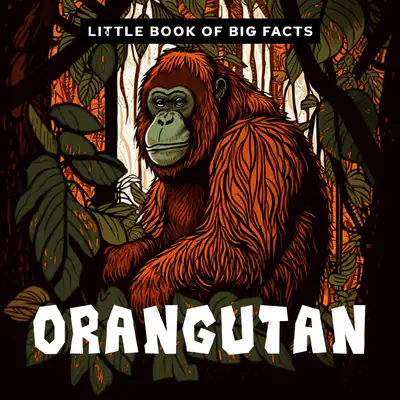
Little Book of Big Facts: Orangutan
Did you know orangutans aren’t monkeys at all? They’re actually our cousins! Discover what makes these amazing forest people so incredibly smart and unique. Learn surprising facts about how they live, what they eat, and the special abilities that make them one of the cleverest animals on Earth. Are you ready to explore the world of orangutans?
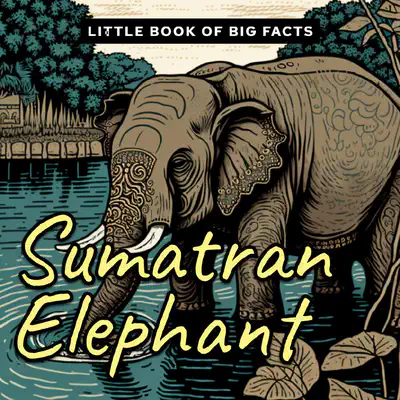
Little Book of Big Facts: Sumatran Elephant
Did you know Sumatran elephants are incredibly intelligent and can hold four litres of water in their trunks? Discover fascinating facts about these amazing animals—from their family groups and special communication to why they’re so important to Indonesia. What makes these gentle giants truly special?

Little Book of Big Facts: Sumatran Tiger
Meet the Sumatran tiger—the biggest cat in the world! Did you know these magnificent striped hunters can grow over two meters long and have teeth nine times sharper than ours? Discover what makes these wild cats so special, where they live, and the amazing ways they hunt their prey in the Indonesian forests.
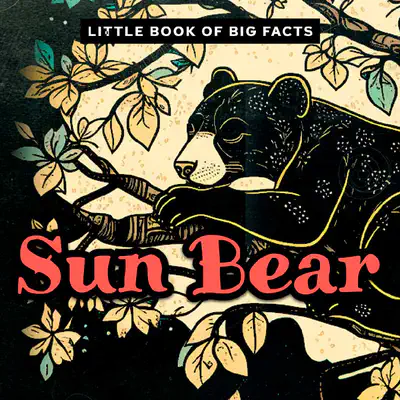
Little Book of Big Facts: Sun Bear
Meet the sun bear—the world’s smallest bear! Discover where these amazing tree-climbing creatures live, what they love to eat, and the special skills that make them so incredible. But what makes sun bears different from other bears, and what dangers do they face in their forest home?
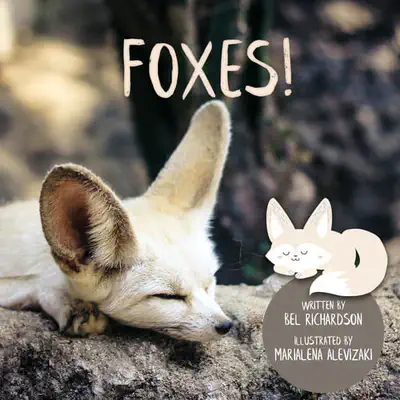
Foxes!
Discover the amazing world of foxes! From snowy forests to sandy deserts, these clever creatures live in surprising places. Learn how foxes stay warm, find food, and play in nature. What special skills do foxes have that help them survive? Get ready to explore the wild lives of these furry friends!
Frequently Asked Questions
Why is nonfiction reading important for 2nd graders?
Nonfiction books for 2nd graders expose children to informational text structures, domain-specific vocabulary, and factual content that build the background knowledge essential for comprehension across all subjects. The NCTE (National Council of Teachers of English) emphasizes that nonfiction literature plays a critical role in K-12 literacy development by helping students think critically about the real world. On Bookbot, nonfiction picture books for second grade are leveled by phonics patterns including vowel teams, r-controlled vowels, and multi-syllable words, so children develop decoding skills alongside content knowledge. Learn more about phonics-based reading in our article on what are decodable books.
How do nonfiction books help 2nd graders prepare for later grades?
Starting in third grade, children are expected to “read to learn” rather than “learn to read,” making second grade a crucial time to build familiarity with informational texts. Chall’s Stages of Reading Development (1983) describes this transition, and nonfiction for 6 year olds helps bridge it by teaching children how to navigate headings, captions, and factual language. Bookbot’s educational books for 2nd grade readers follow a structured phonics scope and sequence so children practice decoding in the context of real-world topics rather than fiction alone.
What topics do Bookbot's nonfiction books for 2nd graders cover?
Nonfiction picture books for second grade on Bookbot span topics including science, history, animals, the human body, geography, and everyday life, giving children a broad knowledge base that supports classroom learning. Scarborough’s Reading Rope (2001) identifies background knowledge and vocabulary as key strands of skilled reading, and varied nonfiction reading builds both simultaneously. Browse books on the Bookbot website by grade and skill level, with many titles free to read, making informational reading accessible to every family.
Are Bookbot's nonfiction books for 2nd grade readers free?
Educational books for 2nd grade readers are available on the Bookbot website, with many titles free to read. Manu et al. (2019) found that access to books is one of the strongest predictors of reading achievement, and Bookbot makes nonfiction for 6 year olds accessible to every family. Each book is organized by a phonics-based scope and sequence covering the patterns second graders are learning, so children build reading skills while exploring real-world topics.