


Inclusion Books for 3rd Graders
Literacy changes lives, and we’re dedicated to making quality books accessible to every young reader. Find the best inclusion books for 3rd graders featuring diverse characters and acceptance themes. These children’s books for ages 7-8 combine meaningful stories with grade-appropriate reading levels perfect for elementary students.

Jill Lost it All
Jill arrives at a new village after escaping a terrible raid, having lost everything. With help from a kind friend named Dr Can Do, she begins to rebuild her life. But can she truly feel safe again, or will danger follow her to this new home?
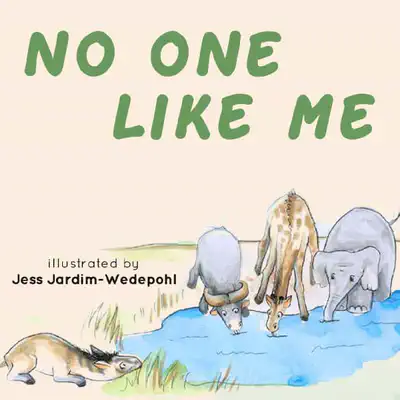
No One Like Me
Have you ever wondered if somewhere out there, someone looks exactly like you? Join a curious child on a search to find their perfect match. They look everywhere—checking every face and every body they can find. Could there really be another person with the same laugh, the same personality, and the same likes and dislikes? What do you think they’ll discover on this special journey?

Bop
Bop is excited about the upcoming bull parade, but learning the dance moves is harder than he thought! His big brother believes in him and encourages him to keep practicing. Will Bop be able to master the steps and dance alongside the other bulls? Join Bop on his journey to discover what he’s truly capable of.
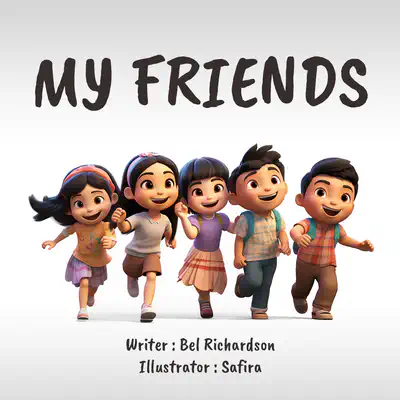
My Friends
Meet Tina and her amazing friends! David loves books, Donna uses a wheelchair, Paul is from Spain, Emily’s family loves cooking, Mary is a great listener, and John thinks in creative ways. Each friend is special and different. What makes a good friend? Join Tina as she discovers how friends with different talents and backgrounds help each other grow and become better together.
Frequently Asked Questions
How do inclusion books for 3rd graders build both empathy and reading comprehension?
Inclusion books for 3rd graders require children to understand characters whose experiences differ from their own, which develops perspective-taking, a higher-order comprehension skill. Springer (2022) found that narrative engagement helps readers build mental models of others’ experiences, strengthening both empathy and story understanding. Third grade is the stage Chall (1983) identified as the shift to ‘reading to learn,’ and diversity books for third grade provide the thematic depth that makes this transition meaningful. On Bookbot, inclusive picture books for 7 year olds are available on the website, with many titles free to read.
Why is it important for 3rd graders to see diverse characters in the books they read?
When children see characters who look like them, they feel validated as readers. When they see characters different from them, they broaden their understanding of the world. Research by Manu et al. (2019)/UNICEF emphasizes that inclusive literacy materials support equitable learning outcomes across diverse populations. Diversity books for 3rd grade readers on Bookbot feature characters from varied backgrounds, abilities, and cultures, helping every child feel that reading is for them. For more on building reading identity, see our article on laying the foundations for a love of reading.
Can inclusive picture books for 7 year olds be used for family discussions about differences?
Inclusive picture books for 7 year olds are ideal for family discussions because they present topics like disability, culture, and belonging through age-appropriate stories that invite open conversation. Research from the UChicago digital library study shows that parent-child shared reading improves literacy while also deepening connection. On Bookbot, inclusion books for 3rd graders include features like read-aloud audio with word-by-word highlighting, making shared reading accessible for every family. See our guide on the benefits of reading aloud for more ideas.
Where can I find diversity books for 3rd grade readers online?
Bookbot offers diversity books for 3rd grade readers on the website, with many titles free to read. Each inclusion book for 3rd graders follows a structured scope and sequence grounded in research from the National Reading Panel (2000), so children practice systematic phonics while exploring stories that celebrate what makes every person unique.