


Nature Books for 3rd Graders
Literacy changes lives, and we’re dedicated to making quality books accessible to every young reader. Find the best nature books for 3rd graders featuring outdoor exploration and wildlife habitats. These children’s books for ages 7-8 combine environmental themes with grade-appropriate reading levels perfect for elementary students.
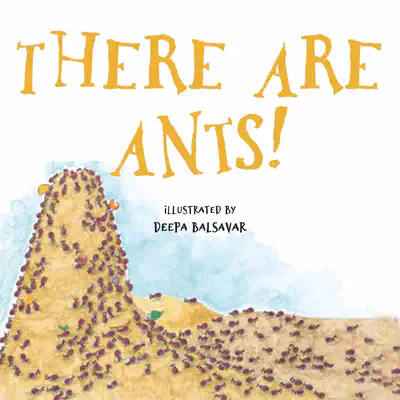
There Are Ants!
Have you ever wondered what ants do all day? Follow along as curious ants search your home looking for food! They explore cupboards, sniff out sweet treats, and discover unexpected treasures. But will they find enough to bring back to their colony? Join this adventure to see where these tiny explorers go next!
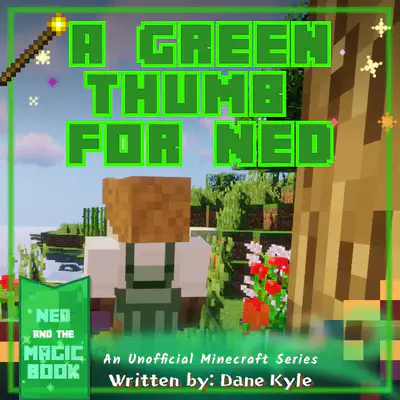
A Green Thumb for Ned
Ned has a cozy little shed, but it needs something special to make it feel like home. His magical Book sends him on an adventure to the beach to find mysterious blue clay. With his trusty iron shovel, Ned discovers he can transform the clay into something amazing! But when he tries to gather colorful flowers to brighten up his place, some angry bees have other plans. Will Ned outsmart the buzzing bees and turn his boring shed into a beautiful home?

A Special Flower
Meet a little white oak flower who feels different from all the other blossoms. While other flowers seem so much more beautiful with their bright colors and pretty shapes, this flower wonders why it looks so unusual. One night, the stars seem to whisper a secret message. What will the flower discover on its magical journey through the world? Can being different actually be something wonderful?
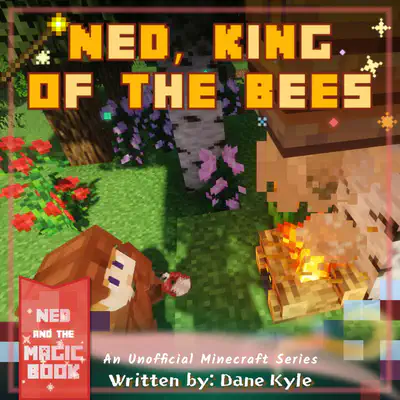
Ned, King of the Bees
Ned loves his farm, but when he spots a peaceful bee buzzing by, he follows it to discover something wonderful—a nest full of sweet, golden honey! Ned wants that honey badly and reaches for his axe, but his magical talking book has other ideas. Can The Book teach Ned a smarter way to get the honey without making the bees angry? Join Ned on this sticky adventure to find out!
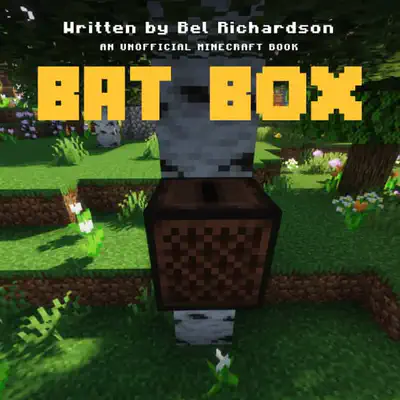
Bat Box
Jack is a pumpkin who lives on Zom’s farm, and he’s looking for ways to make the farm even better. He starts by bringing in bees to help the flowers grow and birds to eat pesky grubs. But Zom has one more challenge for Jack - can he find a way to attract bats to the bright, open farm? Bats like dark, cozy spaces, and the farm doesn’t have any! What clever solution will Jack come up with?

Girl of the Forest
A young girl lives deep in the forest with her family, where life is simple but full of wonder. One day, while playing with her pet piglet, she spots a mysterious white deer that seems to call her deeper into the woods. She chases after it, meeting amazing animals along the way—a scaly pangolin, a honey-loving bear, and a curious elephant. But when a sudden storm traps her in a cave, darkness falls. Will she find her way back home?
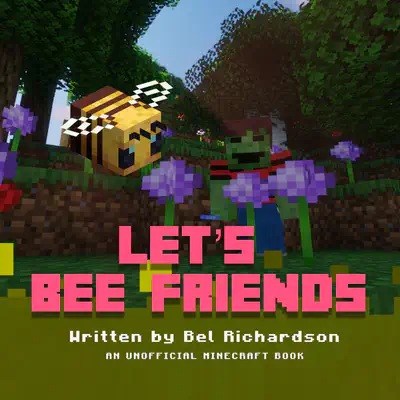
Let's Bee Friends
Zom the zombie is tired of shuffling around with his zombie neighbors. He wants friends who do something new and exciting! When he discovers a buzzing beehive full of busy bees, he thinks he’s hit the jackpot. But these bees are too busy dancing and collecting pollen to chat. When Zom shakes their hive to get their attention, things go very wrong. Can Zom find a way to make friends with creatures who don’t want to hang out?

May and the Sea
May lives in a foggy village and has never seen the sea. When her teacher Jack offers to show her, she embarks on an exciting adventure up hills and trees. Will May finally discover the beautiful sea she’s been dreaming about? Join her on a journey of wonder and discovery!
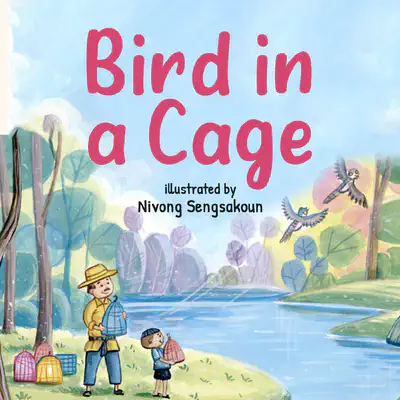
Bird in a Cage
Ben loves listening to birds sing in the forest near his home. He has one pet bird, but he wants more and more birds so he can hear all their beautiful songs. With his father’s help, Ben catches every bird in the forest and brings them home in cages. But something strange happens—the birds stop singing! The house is full of birds, yet completely silent. Can Ben figure out what’s wrong and bring back the music?
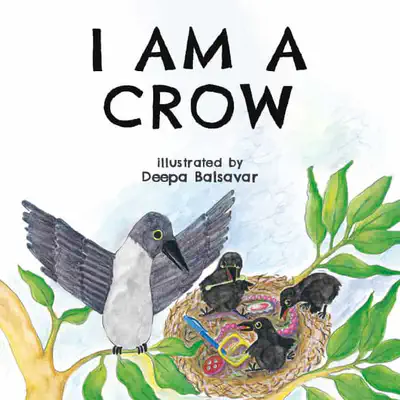
I am a Crow
Meet a busy mother crow who lives in a fruit tree with her three hungry chicks. Every day she flies around searching for food to bring back to her nest. She watches people passing below, waiting for the perfect chance to find something tasty. When she spots a lady carrying a basket of fish, mother crow has a clever idea. But other crows want that fish too! Will mother crow be able to get food for her hungry babies?
Frequently Asked Questions
How do nature books for 3rd graders support the shift to reading for meaning?
Third graders are moving from decoding words to using reading as a learning tool, and nature books for 3rd graders are ideal for this transition because they combine engaging content with domain-specific vocabulary like “ecosystem,” “habitat,” and “migration.” Snow, Burns, and Griffin (1998) identified background knowledge and vocabulary as critical to reading comprehension, and nature-themed stories build both at once. On Bookbot, nature picture books for third grade are available on the website, with many titles free to read, giving children plenty of practice with informational text. Learn more about how structured reading builds skills in our what are decodable books article.
Can nature stories for 7 year olds help children who prefer nonfiction?
Yes. Many 3rd graders are drawn to facts over fiction, and nature stories for 7 year olds satisfy that preference with real-world topics like animal life cycles, weather patterns, and ocean habitats. The NCTE emphasises that nonfiction reading across all grades builds critical thinking and informational literacy. Bookbot’s nature books for 3rd grade readers blend narrative and informational text so children develop comprehension skills in both genres – available on the Bookbot website, with many titles free to read.
Are nature picture books for third grade effective for read-aloud sessions?
Nature picture books for third grade work especially well as read-alouds because their descriptive language and vivid imagery naturally prompt questions and discussion. Takacs and Bus (2020) found that multimedia story features enhance vocabulary learning, and Bookbot’s read-aloud mode with word-by-word highlighting brings this research to life. Parents can pause to talk about what an animal eats or how a storm forms, building the oral language skills that Scarborough’s Reading Rope (2001) links to skilled reading. For tips, see our guide on the benefits of reading aloud.
What nature topics do Bookbot's books cover for third grade?
Bookbot’s nature books for 3rd graders span forests, oceans, wildlife, weather, and ecosystems – topics that align with common third-grade science curricula. Each nature picture book for third grade is leveled by a phonics-based scope and sequence so children read at the right challenge level. Ehri et al. (2001) demonstrated that level-matched, systematic reading practice produces the strongest gains in word recognition, making well-leveled nature stories for 7 year olds a smart choice for building fluency while exploring the natural world.